
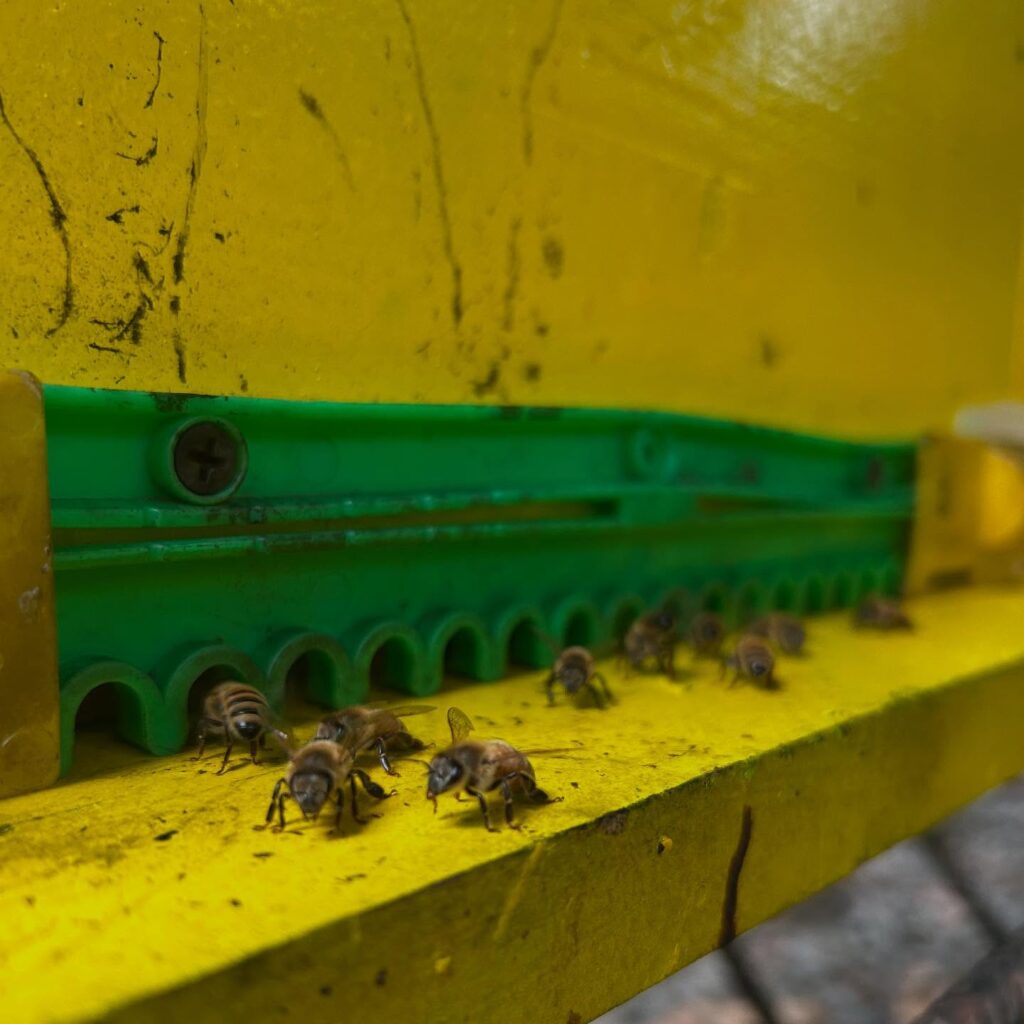
by King del Rosario
I’ve been a beekeeper for the last 4 years & I’ve had some aha moments of leadership as I check my bees. Some points to share with all of you:
1. Approach with authority but don’t be a nuisance. Bees can smell fear. So, it’s important to be deliberate & clear about your actions. Bees are too busy looking for food & won’t sting unless you become a threat or an irritant. Your goal, as a a leader, is to make sure to remove blocks, not become one.
2. Have a clear line of sight. I don’t wear a protective suit these days when I check the bees. It’s a decision between having visual clarity or be protected from stings but lose a clearer outlook because of the protective veil. This spells the difference between squishing a bee & getting stung. Worse, killing a queen bee. You must face the risk head on & be clearly informed about what’s happening. Insulating yourself from the truth from comfy executive offices or relying on second-hand information will just lead to becoming disconnected & ill-informed.
3. Value collective contribution over visible busyness. Some bees are workers that are quite visible outside the colony. Others do support & while less visible, are vital to the health of the colony. A healthy colony is not all about what you see.
4. It’s your job as a leader to ensure you are understood. Aside from pheromones, which should be enough to work, bees waggle dance to communicate the location & quality of food sources to others. As a leader, we should ensure that our message is received & understood. When I check on my bees, I wear brightly colored clothes. Dark colors can be perceived as a threat leading to aggressive behavior. Use visual management if needed. Just don’t email or rely on technology. Add the human touch & genchi genbutsu. That’s go & see for yourself in Japanese. Avoid the trap of using unnecessarily complex words in a misguided attempt to impress others.
5. Come out strong after the storm. Anticipating the time when nectar & pollen are scarce (usually during typhoon season in the Philippines), bees store honey for food & so much more. Leaders can help prepare for the future & anticipate risks. Remain calm, & your bees just like your team will remain calm and focused on the goal.
6. Harvest responsibly. Beekeepers should only take the surplus honey, leaving enough for the bees to survive the dearth season. Reinvest your wins. Leave something for the unexpected. Otherwise, your bees – like your team – will starve & won’t be ready to take on the new challenges that will be coming your way.
7. Even queens fail. Build a legacy of resilience, not dependency. Accept that leaders are fallible; therefore, your greatest achievement is creating a colony that is prepared to raise its own next leader. True leadership isn’t about fitting a charismatic template—it’s about being prepared, strong, & capable of guiding others when it matters most, ensuring the team thrives long after your tenure.